Hats for big heads by face shape, ears and build: how to avoid the 'big head, small hat' look, which hats suit long, wide and round heads, and what to wear with big ears, a big face or glasses.
Size gets a hat onto a big head. Proportion decides whether it looks right once it is there. A hat that fits but has a narrow brim and a shallow crown makes a large head look larger, and a cap that suits a long head can pinch a wide one. This guide is about the shape side of the problem, for men and women, with practical rules you can check on any listing.
- Avoiding the big head, small hat look
- Long, wide and round heads
- Face shape at a glance
- Big ears, big faces and glasses
Ad: this page contains affiliate links. As an Amazon Associate I earn from qualifying purchases, and we also earn from links to other retailers, at no extra cost to you. How XXL Hats makes money.
Proportion in brief
- Scale the brim to the head A brim of about 6.5cm to 8cm balances a big head. Short brims make it look bigger.
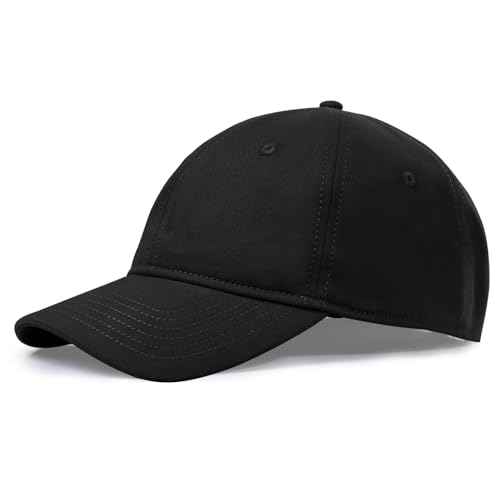
- Long head? Go deep If hats ride up at the back, you need crown depth, not a bigger size.
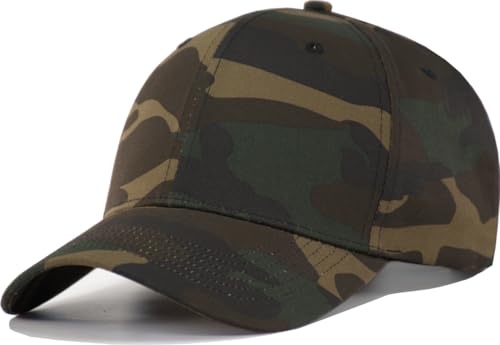
- Wide or round head? Go soft Unstructured caps, bucket hats and beanies take the shape of a wide head instead of pinching the temples.
- Big ears and glasses need room A band that sits just above the ears and glasses arms stops pressure and stops ears being pushed out.
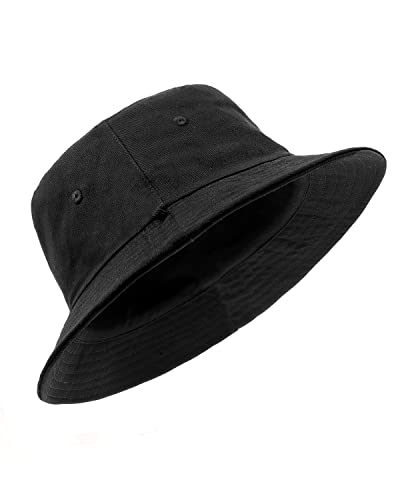
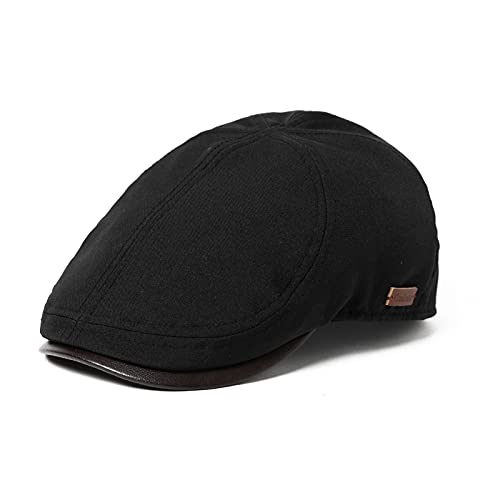
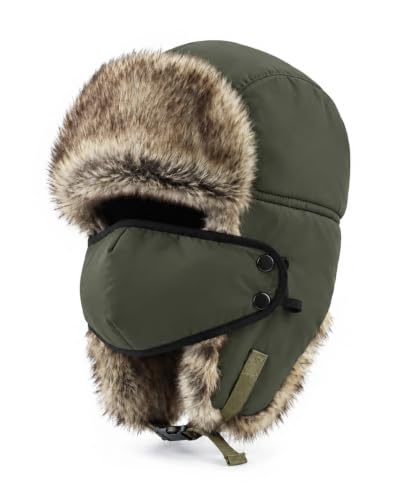
Avoiding the ‘big head, small hat’ look
The most common hat mistake on a big head is a hat that fits but looks too small. Two measurements cause it: brim width and crown height. A fedora’s brim is usually about 6.4cm (fedora, Wikipedia), and that is roughly the minimum that looks in proportion on a large head. Australia’s radiation protection agency counts 7.5cm or more as a broad brim for adults (ARPANSA sun protection hats), which on a big head looks generous rather than oversized.
| Your build | Brim | Crown | Good styles |
|---|---|---|---|
| Big head, average frame | About 6.5 to 7cm | About 10cm | Fedora, flat cap, structured cap |
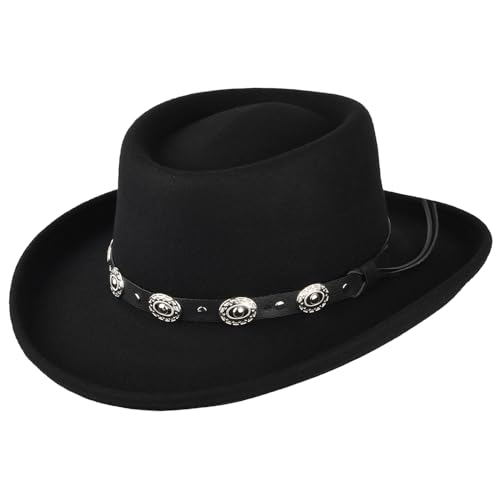
| Big head, broad or tall frame | About 7.5 to 8cm or more | About 10 to 11cm | Gambler, wide fedora, wide Panama |
| Big head, shorter frame | About 6.5 to 7cm | Mid height | Fedora, newsboy, bucket hat |
| Very large head, any frame | Wide brims or soft styles | Deep | Bucket hat, beanie, deep fit cap |
For more on matching hats to a bigger build, see our guide to hats for men with big heads, which compares the brim and crown sizes of XXL fedoras and trilbies.
Long heads and wide heads
Two heads can share a 62cm circumference and still need different hats. Research for the SizeChina project found the average Western head has a length to width ratio of about 1:0.74, against about 1:0.86 for an East Asian head, which is noticeably rounder; a helmet shaped for length was tight across the width (Metropolis, Sizing China). Hatters have known this for nearly two centuries: the conformateur, a Paris invention of the mid 1800s, used spring-loaded bars to record the exact outline of a customer’s head so a hat could be shaped to match (World Wide Words, conformateur).
- Long head (front to back): hats press at the forehead and the back, and caps lift at the back. Choose deep crown or high profile caps, fedoras with a taller crown, and newsboy caps with a full crown.
- Wide head (side to side): hats pinch at the temples and leave gaps at the front and back. Choose unstructured caps, bucket hats, beanies and soft felt that can mould to the head.
- Not sure which you have? If a hat hurts at the temples, your head is wide for that hat. If it hurts at the forehead and the back, it is long for it.
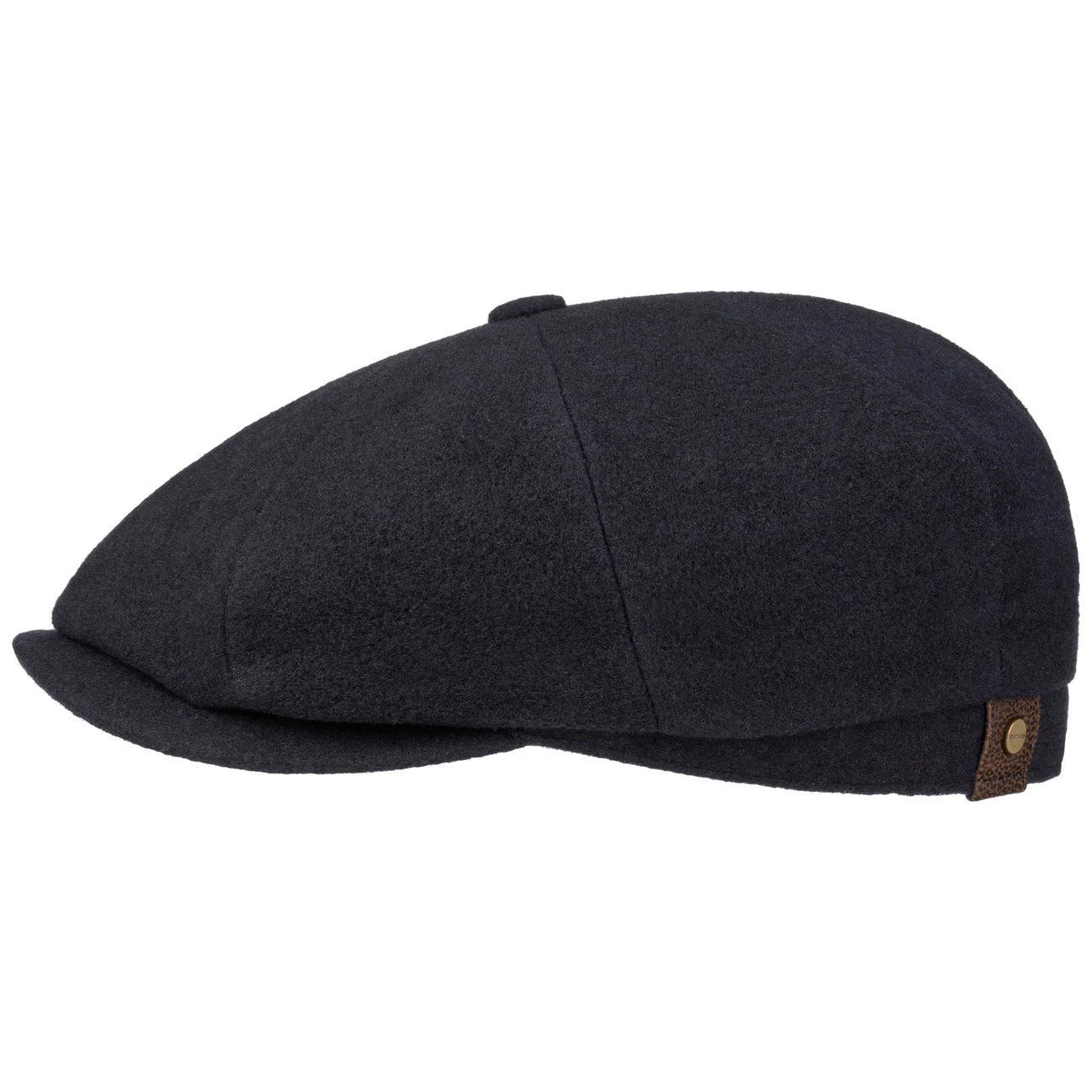
A roomy eight panel cap in wool and cashmere with a soft flannel lining. The full crown suits a wide head, and it comes in 64cm.
Face shape at a glance
| Face shape | Looks good | Use with care |
|---|---|---|
| Round | Height and angles: pinched fedora crowns, structured caps | Round, low crowns and very slouchy beanies |
| Long | Width and lower crowns: flat caps, wide brim Panamas, bucket hats | Tall crowns and high profile caps |
| Square | Softer, rounded crowns: pork pie, beanie, bowler shapes | Very angular, boxy shapes |
| Oval | Almost everything; let size and season decide | Nothing in particular |
| Big face | Mid or high profile caps, standard or long peaks, wider brims | Short peaks and stingy brims |
Picks by head shape
| Fit | Crown | Brim | Adjustable | Price | ||
|---|---|---|---|---|---|---|
|
Deep Fit XXL Cap
Long heads
|
7 3/8 to 8 1/8 | Deep, structured | Peak | Yes | £23.78 | View |
|
Unstructured Dad Cap
Wide heads
|
23.5 to 26in | Soft | Peak | Yes | £21.55 | View |
|
Cotton Bucket Hat
Long faces
|
60, 62 or 64cm | Soft | All round | Not stated | £13.37 | View |
|
Crossfire Gambler
Broad frames
|
63cm | 10cm, felt | 8cm | No | £42.45 | View |
Hats for big ears
Ears do not stop growing. A study of 206 adults aged 30 to 93 found ear length increases by about 0.22mm a year (Heathcote, BMJ 1995), so many of us have bigger ears at 60 than at 30. A tight hat makes them more obvious by pressing the band down on the tops of the ears and pushing them outwards.
- Get the band height right: the band should sit just above the ears, not on them. On a big head that usually means going up a size rather than pulling a hat down.
- Use a brim: a fedora, Panama or bucket hat casts a shadow that draws the eye away from the ears.
- Cover them in winter: a trapper or a deep beanie pulled over the ears looks deliberate. A beanie perched above them does not.
- Avoid shallow caps worn low: they fold the ears forward.
Hats for a big face
A large face needs a hat with enough presence to match it. On caps, look for a mid or high profile front and a standard or long peak; a short peak and a low crown look small. On brimmed hats, go to the wider end of the range. Structured shapes, such as a fedora with a defined crown or a structured cap, frame a big face better than very soft, slouchy styles.
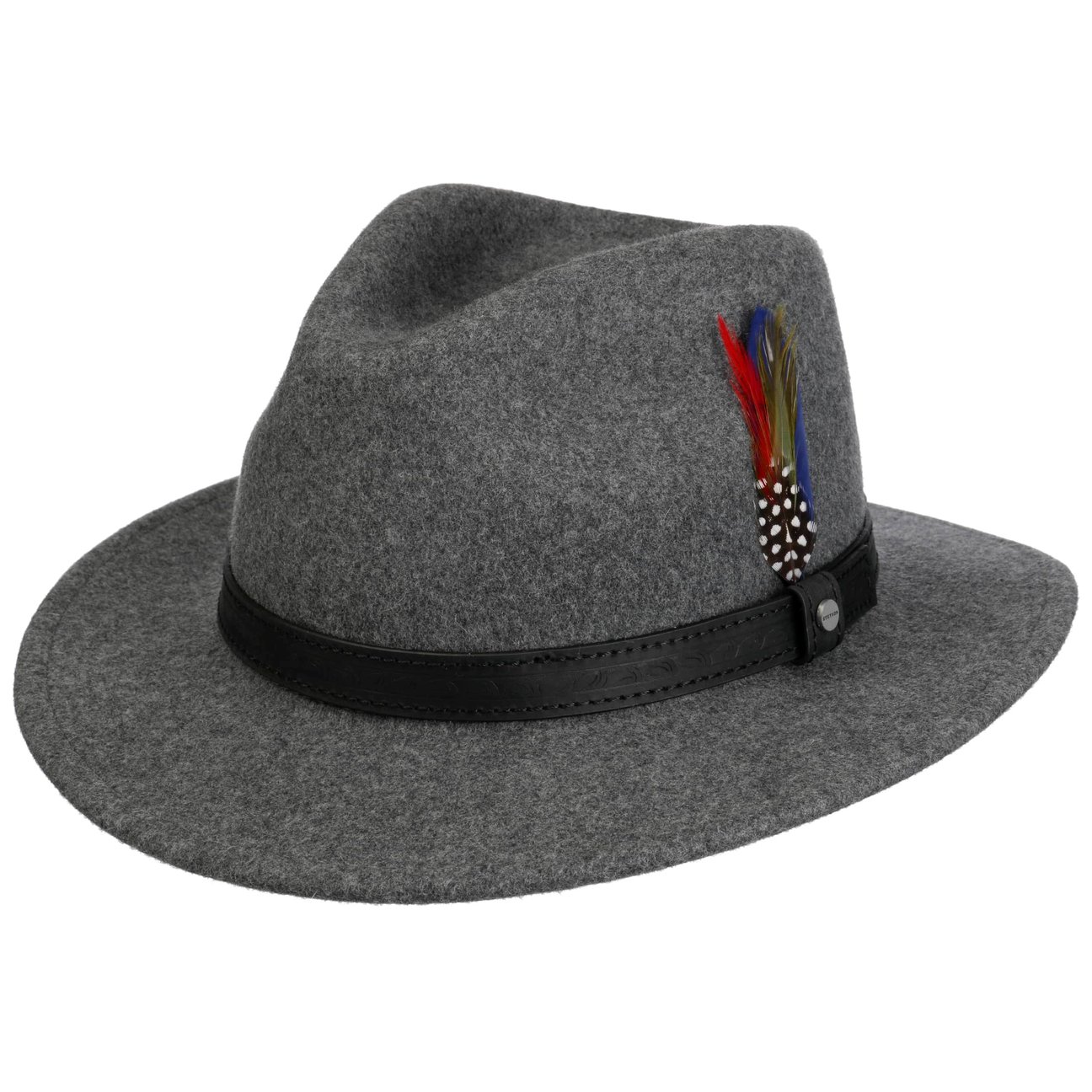
A crushable felt traveller with a wider brim and rustic leather trim. The brim balances a big face, and it comes in 63cm.
Hats with glasses
- Watch the arms: a band that sits on your glasses arms presses them into the side of your head. A hat that is slightly roomier, worn a touch higher, avoids it.
- Use the peak: a cap peak or a duckbill flat cap shades your lenses from glare and keeps rain off them.
- Mind the depth: very deep beanies pulled low can push glasses down your nose. Fold the cuff higher.
- Sunglasses: a brim and sunglasses together give better eye protection than either alone.
Tall, short and in between
Your height changes how a hat reads. Tall people can carry wider brims and taller crowns without looking swamped. If you are shorter but have a big head, keep the crown a touch lower and the brim moderate, around 6.5cm to 7cm, so the hat does not overpower you. Whatever your height, a darker hat makes a large head look neater than a pale or brightly coloured one.
Hats, head shape and proportion: common questions
Why do hats look small on my big head?
Usually because the brim is too narrow or the crown too shallow, even if the size fits. Choose a brim of about 6.5cm to 8cm and a crown of about 10cm.
What hats suit a long head?
Hats with depth: deep fit or high profile caps, fedoras with a taller crown and full-crowned newsboy caps. Low profile caps tend to lift at the back.
What hats suit a wide head?
Soft hats that take your shape: unstructured dad caps, bucket hats, beanies and soft felt. Stiff, narrow caps pinch at the temples.
What hat is best for big ears?
A brimmed hat that sits just above the ears, or a trapper or beanie that covers them fully. Avoid shallow caps pulled low.
Can I wear a hat with glasses?
Yes. Choose a hat roomy enough that the band sits above the glasses arms, and use a peak or brim to shade the lenses.
Know your shape, now get the size: our XXL hat size guide shows how to measure. Then browse by style: XXL baseball caps, XXL bucket hats, XXL fedoras and trilbies, XXL flat caps and XXL hats for women and big hair.